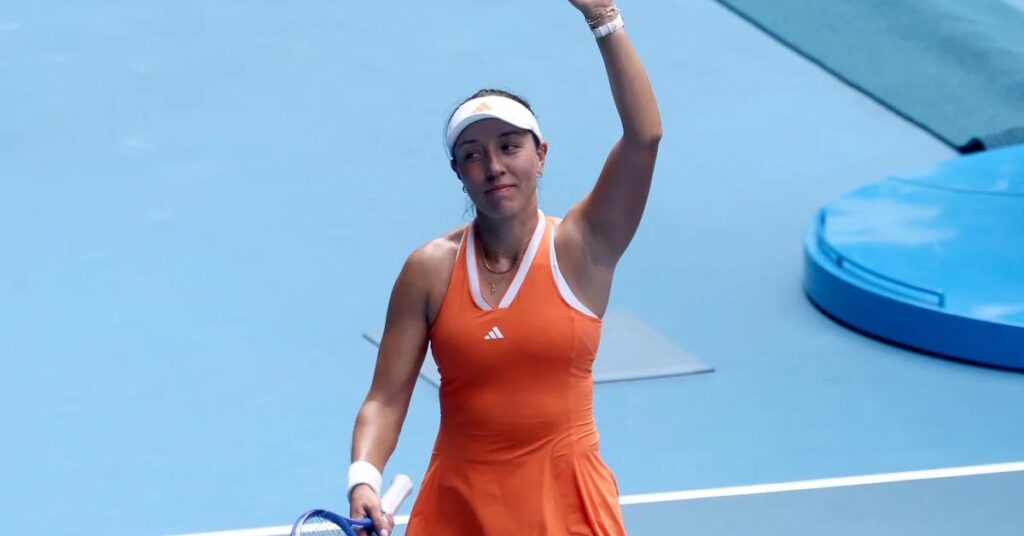

Amanda Anisimova’s Australian Open 2026 journey came to an end at the quarter-final stage, where she suffered a hard-fought defeat against fellow American Jessica Pegula. While the loss was disappointing, Anisimova’s reflections after the match revealed a player growing in maturity, perspective, and resilience—qualities that often define long-term success in professional tennis.
Facing one of the most consistent performers on the WTA Tour, Anisimova showed flashes of brilliance, raw power, and tactical intent. However, Pegula’s experience, composure, and relentless baseline consistency proved decisive in the end. More than just a match result, this quarter-final represented a moment of learning and self-assessment for Anisimova as she continues her comeback journey at the highest level.
Australian Open 2026: A Quarter-Final That Tested Resolve
The Australian Open is often described as the tournament where physical endurance meets mental toughness. For Amanda Anisimova, reaching the quarter-finals marked her deepest run at a Grand Slam in recent seasons—a significant milestone after a period of personal and professional challenges.
Against Jessica Pegula, Anisimova faced:
- One of the tour’s most reliable performers
- A player with exceptional rally tolerance
- A calm, mistake-minimising approach
The clash was not just about skill—it was about composure under sustained pressure.
Amanda Anisimova’s Australian Open Campaign: A Positive Step Forward
A Tournament of Progress
Despite the quarter-final defeat, Anisimova’s Australian Open campaign featured several positives:
- Strong wins in earlier rounds
- Improved physical conditioning
- Greater emotional control
For a player still rebuilding confidence at the top level, these signs mattered more than the final result.
Regaining Belief on the Big Stage
Anisimova entered the tournament without being among the headline favourites, which allowed her to play:
- With less external pressure
- Greater freedom in shot-making
- A renewed sense of purpose
Her run to the last eight demonstrated that she is once again capable of competing with the world’s best.
The Quarter-Final Match: Anisimova vs Pegula
Match Overview
The quarter-final against Jessica Pegula was intense and physically demanding. Pegula’s ability to absorb pace and redirect shots placed Anisimova under constant pressure.
Key themes of the match included:
- Long baseline rallies
- Pegula’s superior consistency
- Anisimova’s aggressive but risky shot selection
While Anisimova struck more winners, she also committed more unforced errors—an imbalance that ultimately decided the contest.
Pegula’s Tactical Edge
Jessica Pegula executed a clear and effective game plan:
- Extend rallies
- Target Anisimova’s movement
- Force her to hit extra shots
This approach neutralised Anisimova’s power and shifted the match into Pegula’s comfort zone.
Amanda Anisimova’s Post-Match Reflections
A Mature Perspective on Defeat
In her post-match comments, Amanda Anisimova spoke candidly about the loss, emphasising learning rather than disappointment. She acknowledged:
- Pegula’s consistency and discipline
- Areas where she could improve
- The importance of staying patient in big matches
Such reflections signalled growth beyond raw talent.
Recognising the Margins at Elite Level
Anisimova admitted that at the quarter-final stage of a Grand Slam:
- Small lapses are costly
- Decision-making becomes crucial
- Emotional control can determine outcomes
Her words reflected a deeper understanding of what it takes to win at this level.
Tactical Lessons From the Defeat
Managing Aggression
One of Anisimova’s biggest strengths—her aggressive baseline game—also proved to be her biggest challenge. Against Pegula:
- Over-aggression led to errors
- Shot selection under pressure faltered
- Patience became difficult in long rallies
Learning when to rein in aggression is the next step in her evolution.
Rally Tolerance and Shot Construction
Pegula’s rally tolerance exposed an area where Anisimova can grow:
- Constructing points more patiently
- Using variety rather than power alone
- Choosing higher-percentage patterns
These adjustments are essential for consistent Grand Slam success.
Mental Growth: The Biggest Takeaway
Handling Pressure at Grand Slams
Anisimova has spoken openly in the past about the mental challenges of professional tennis. This quarter-final showed:
- Improved composure compared to earlier years
- Willingness to stay present during tough moments
- Reduced visible frustration
Though the result didn’t go her way, the mental progress was evident.
Learning From Loss Rather Than Dwelling on It
Instead of dwelling on the defeat, Anisimova framed it as:
- A checkpoint in her journey
- A benchmark of where she stands
- Motivation for further improvement
This mindset shift is crucial for long-term stability on tour.
Jessica Pegula: A Worthy Opponent
Why Pegula Is So Difficult to Beat
Pegula’s game is built on:
- Consistency over flash
- Exceptional movement
- Calm decision-making
These qualities often frustrate aggressive players like Anisimova.
Experience in Big Matches
Pegula’s experience in Grand Slam latter stages allowed her to:
- Stay composed during momentum swings
- Capitalise on Anisimova’s errors
- Control the match tempo
This difference in match management proved decisive.
Anisimova’s Career Journey: Context Matters
Early Promise and High Expectations
Amanda Anisimova burst onto the scene as a teenager, quickly earning:
- Grand Slam semifinals appearances
- Wins over top-ranked players
- Reputation as a future star
However, early success also brought immense pressure.
Navigating Personal and Professional Challenges
In recent years, Anisimova faced:
- Injuries
- Mental health struggles
- Time away from competition
Her return to the Australian Open quarter-finals reflects resilience and perseverance.
What This Result Means for Anisimova’s 2026 Season
Confidence Boost Despite the Loss
Reaching the quarter-finals of a Grand Slam:
- Confirms her place among top contenders
- Improves ranking and seeding prospects
- Builds confidence for upcoming tournaments
The result provides momentum rather than setback.
Clear Areas to Work On
The match against Pegula highlighted specific areas for development:
- Shot tolerance
- Defensive transitions
- Match patience
With the right adjustments, these can become strengths.
Physical Conditioning and Match Fitness
Improved Endurance on Display
Anisimova’s fitness levels throughout the tournament were noticeably improved:
- She sustained intensity across long matches
- Recovered well between rounds
- Looked physically comfortable in extended rallies
This bodes well for future Grand Slam campaigns.
Fine Margins in Physical Battles
Against elite opponents like Pegula, even small dips in physical sharpness matter. Anisimova acknowledged the need to:
- Maintain peak fitness
- Improve recovery routines
- Manage scheduling carefully
Fans and Media Reaction
Positive Response to Her Honesty
Fans praised Anisimova for:
- Her candid reflections
- Her maturity in defeat
- Her fighting spirit
The narrative around her Australian Open run was largely encouraging.
Media Focus on Growth, Not Failure
Unlike past seasons, coverage focused more on:
- Her comeback story
- Mental resilience
- Long-term potential
This shift reflects changing perceptions of her career trajectory.
Comparison With Past Grand Slam Performances
Then vs Now
Earlier in her career, Anisimova:
- Relied heavily on raw power
- Struggled with emotional swings
- Found pressure overwhelming
At this Australian Open:
- Her approach was more measured
- Emotional control was stronger
- Losses were processed constructively
The evolution is clear.
The Bigger Picture: American Women’s Tennis
Depth and Competition
The Anisimova-Pegula match also highlighted:
- The depth of American women’s tennis
- Healthy competition within the same nation
- High standards required to advance
Internal competition often drives improvement.
Learning From Domestic Rivals
Facing players like Pegula offers Anisimova:
- Clear benchmarks
- Familiarity with elite-level demands
- Motivation to close performance gaps
What Coaches and Analysts Will Take From This Match
Experts noted that:
- Anisimova’s ceiling remains extremely high
- Her mental approach has improved significantly
- Tactical refinement is the next frontier
The loss was seen as a developmental step, not a regression.
What’s Next for Amanda Anisimova?
Upcoming Tournaments and Goals
Following the Australian Open, Anisimova will aim to:
- Build consistency across WTA events
- Translate Grand Slam form into regular tour success
- Push for deeper runs at majors
Her quarter-final showing sets a strong foundation.
Long-Term Aspirations
Anisimova’s ultimate goals remain:
- Competing for Grand Slam titles
- Establishing herself in the top tier
- Enjoying a balanced, sustainable career
Matches like this are part of that journey.
Lessons Young Players Can Learn
Anisimova’s experience offers lessons for aspiring players:
- Success is not linear
- Mental health matters
- Growth often comes through setbacks
Her openness adds value beyond the court.
Why This Loss Could Prove Pivotal
Sometimes, defeats shape careers more than victories. This quarter-final:
- Highlighted areas for growth
- Reinforced belief in her abilities
- Provided clarity on next steps
Handled correctly, it could be a turning point.
Final Thoughts
Amanda Anisimova reflecting on her Australian Open quarter-final defeat to Jessica Pegula reveals a player who is no longer defined solely by talent, but by resilience, self-awareness, and maturity. While the loss was undoubtedly disappointing, her response speaks volumes about her evolution as both an athlete and an individual.
In a sport where progress is rarely straightforward, Anisimova’s Australian Open run stands as a reminder that growth often happens quietly—through honest reflection, hard lessons, and renewed determination. The quarter-final defeat may mark the end of her Melbourne campaign, but it could well be the beginning of her next chapter.
For Amanda Anisimova, the journey continues—with clarity, confidence, and a deeper understanding of what it takes to succeed at the very top.